Policy reports are in-depth research documents that analyze urgent civil rights issues, connect them to the lived realities of our communities, and propose concrete solutions for change. They draw from legal analysis, community voices, and cross-sector data to create a roadmap for policymakers, advocates, and allies.
Our policy reports are designed to inform and influence decision-makers while also equipping grassroots organizers and community members with clear, accessible tools. They serve as a bridge between frontline experiences and structural reform.
By publishing policy reports, we ensure that South Asian communities are not only visible in civic conversations but also positioned as leaders in defining what justice, equity, and democracy must look like. These reports help ground advocacy in evidence, build accountability, and chart pathways toward lasting systemic change.
-
Domestic and Gender-Based Violence in South Asian American Communities - Edited by Aditya Kalahasti
South Asian Americans face disproportionately higher rates of intimate partner violence (IPV) and gender based violence (GBV). One study found that: 48% of South Asians in the US experience physical violence (surpassing the national average). These sobering statistics, along with lower rates of reporting, can be attributed to numerous factors such as cultural stigmas and immigration barriers. Some potential policy recommendations include employing specific visa protections for women in the US, which may provide them with legal protections and autonomy, and accommodating all of the languages spoken in the diaspora with the aid of local translators, which would help survivors to report their abuse.
-
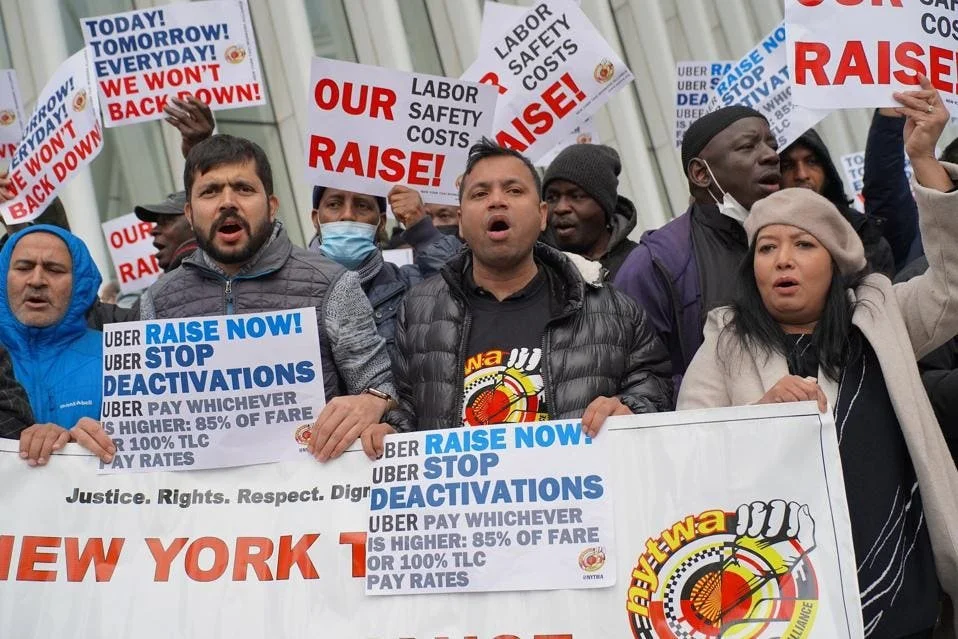
Economic and Labor Rights for South Asians Under a Second Trump Term - Edited by Aditya Kalahasti
This report seeks to examine the implications of President Donald Trump’s administration’s decisions concerning the Department of Labor, anti-union policies, and changes to the National Labor Relations Board on South Asian Americans in areas of work such as domestic labor, trucking, taxi driving, and several others. South Asians in blue-collar jobs or who are earning wages through the informal economy in these vulnerable sectors may see a rapid erosion of labor rights and their ability to organize for workplace dignity, which jeopardizes their ability to bargain for fair and just conditions.
-

Family Rights and Cohesion Under a Second Trump Administration - Edited by Aditya Kalahasti
Project 2025 agenda’s “Promise #1, Restore the Family as the Centerpiece of American Life and Protect Our Children,” outlines concrete policies to change the health policies of HHS as they pertain to child and adult healthcare, and family planning. These changes, if implemented, would impact federal policy and the sociological makeup of the U.S., both as a result of reproductive health and child welfare legislation as well as immigration policies.
This report examines the impacts of proposed changes to federal policy and the potential impact that these changes would have on South Asian American families. Finally, it will outline various key federal offices addressing family and child welfare policies, as well as how they may reverberate in shaping the demographic future of the nation.
-
Economic (In)Justice Guide - Edited by Saleheen Ehsan and Mohona Ganguly
New York City is home to a vibrant South Asian immigrant population, who are instrumental to its function. These community members contribute to the city through a variety of occupations, from food delivery drivers to street vendors. However, these workers face numerous forms of economic inequality, which is in itself rooted in deeply entrenched systemic discrimination. This report focuses on ten areas of economic injustice faced by the South Asian community and provides actionable recommendations and insights on how to address these issues going forward.
-

Racialized Islamophobia: Understanding the Outlook of Civil Liberties and Legal / Policy Responses - Edited by Aditya Kalahasti
As Islamophobia rises in the US, the Trump administration has had a minimal focus on rising anti-Muslim sentiment. This has either been characterized by the omission of anti-Islamophobia measures in federal documents or a general lack of attention to issues faced by both Muslim and Arab communities.
This report seeks to examine the divergence between the White House’s anti-Islamophobia strategy and Project 2025’s framing of terrorism and national security, as well as to understand the broader trends and gaps in hate crime legislative responses in the last several years. It will also examine recent issues in civil liberty violations committed by the Trump administration and the legal outlook of Islamophobia-related cases in the recent past.
-

From "Mrs. Bibi" to the United States: Healthcare Discrimination Against South Asian Americans and the Case for Disaggregated Research - Edited by Mohona Ganguly
This report seeks to examine discrimination against South Asian patients in the U.S., informed by a predicate analysis of the phenomenon of inadequate care and institutional racism that is pervasive amongst healthcare professionals, coined the “Mrs. Bibi Syndrome,” first researched within the U.K. health system.
This report also addresses gaps in research about healthcare discrimination towards the South Asian American community, one that produces a significant portion of healthcare professionals, and suggests policy recommendations for bridging this divide.
-
From Colonial Stereotypes to Online Hate: The Historical Roots and Digital Evolution of Anti-South Asian Hate - Edited by Mohona Ganguly
South Asian American and South Asian communities are facing a significant spike in online abuse and hatred in recent years, which rivals or even exceeds the levels of vitriol leveled at the community in the wake of the 9/11 attacks From January 2023 through August 2024, the volume of anti-South Asian slurs, slogans, and phrases in Domestic Violence Extremist (DVE) spaces doubled from 23,000 to 46,000.
This report seeks to analyze the current rise in Anti-Indian sentiment online, the historical context surrounding South Asian discrimination, the effects this current phenomenon is having on the South Asian American and South Asian communities as a whole, and actions that community, state, and federal leaders can take to curb hateful rhetoric and support South Asian American communities.
-
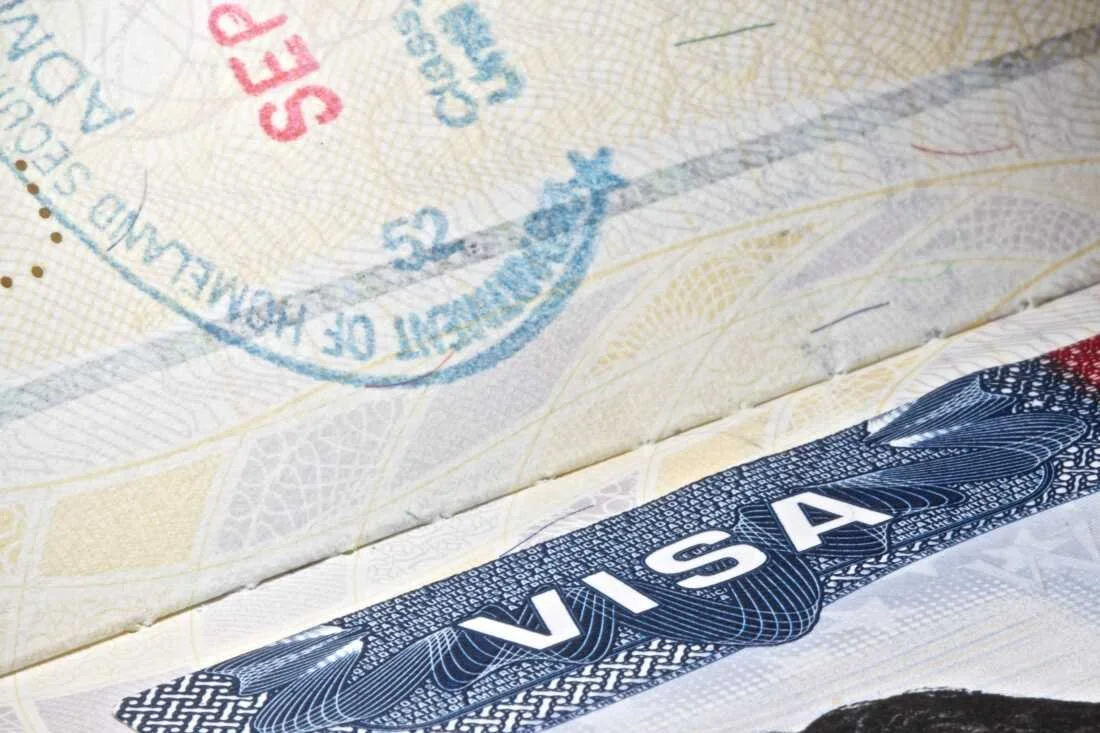
South Asian Americans and Immigration Under the Second Trump Administration - Edited by Mohona Ganguly
The second Trump administration is significantly reshaping the immigration landscape in ways that heighten vulnerabilities for South Asian American communities. Renewed emphasis on aggressive Immigration and Customs Enforcement (ICE) operations, including workplace raids, home arrests, and expanded surveillance, disproportionately affects undocumented South Asians, asylum seekers, and temporary visa holders. These practices, often accompanied by racially discriminatory profiling, expose South Asians to elevated risks of harassment, procedural violations, and coercive encounters, especially for individuals facing language barriers or limited access to legal representation. South Asians who currently hold H-1B or F-1 visas face additional fears of deportation and arrest and suffer under a current climate of fear and discrimination. Members of South Asian American ethnic communities, such as Bhutanese and Nepali-Americans, also risk losing their temporary protected status and other legal protections as a result of the Trump administration’s crackdown on immigration, leaving them vulnerable and forcing them to return to their homelands with very little certainty. Finally, this report seeks to pose policy and community-leadership recommendations.